
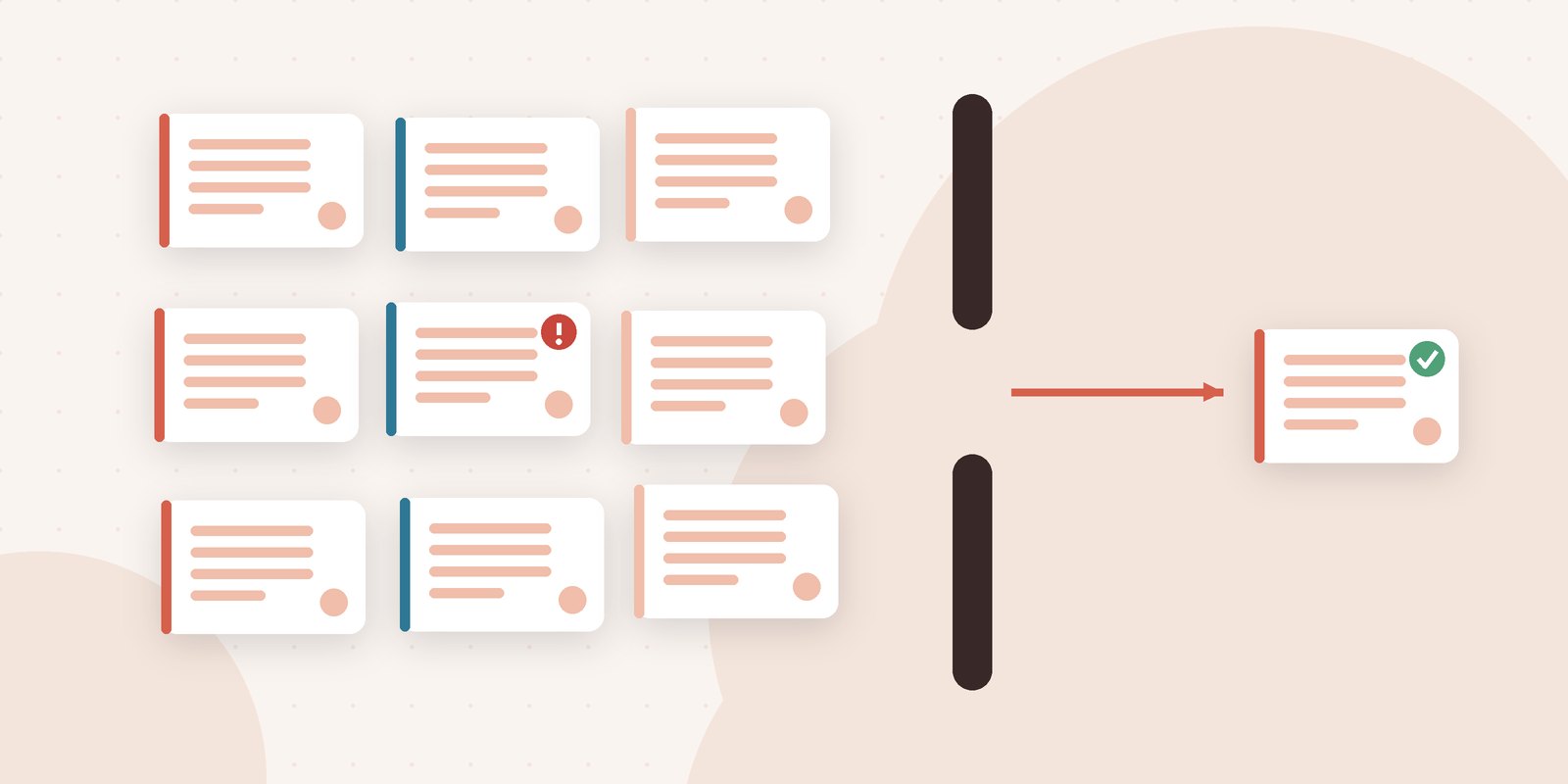
Content teams rarely slow down because of one dramatic failure. They slow down because of small, ordinary habits that each add a day here and a revision round there. A draft starts without a clear brief. Feedback arrives in three places. An approver nobody mentioned turns up at the last minute. None of it feels serious on its own, and together it can double the time it takes to publish.
The good news is that these editorial workflow mistakes are predictable. The same ten show up again and again, in startups and enterprises alike, and each one has a practical fix that does not require a reorganisation.
Below, each mistake is described the same way: what it looks like day to day, why it slows the team down, and what to do instead. If you want the background first, the guide to what an editorial workflow is explains the stages these mistakes affect.
1. Starting Drafts Without a Real Brief
What it looks like: A writer is given a title, a keyword and a deadline. The angle, audience and structure are left to them.
Why it slows you down: The real decisions about the piece get made during review instead of before writing. The editor discovers the draft took a different angle than expected, and the writer starts again. A missing brief does not save time; it moves the work to the most expensive point in the process.
The fix: Every piece gets a brief that covers audience, angle, primary keyword and intent, outline, sources and links, length, reviewers and deadline. If a writer would need a meeting to start, the brief is not done.
2. No Single Owner for Each Stage
What it looks like: "Marketing will review it." "The team will sign off." The piece moves to a stage, and nobody in particular feels responsible for moving it on.
Why it slows you down: Shared ownership is no ownership. Everyone assumes someone else has it, and the piece waits until somebody asks where it is.
The fix: Put a named person on every stage, including a backup. A stage owner does not have to do all the work, but they are the one accountable for it moving.
3. Feedback Scattered Across Tools
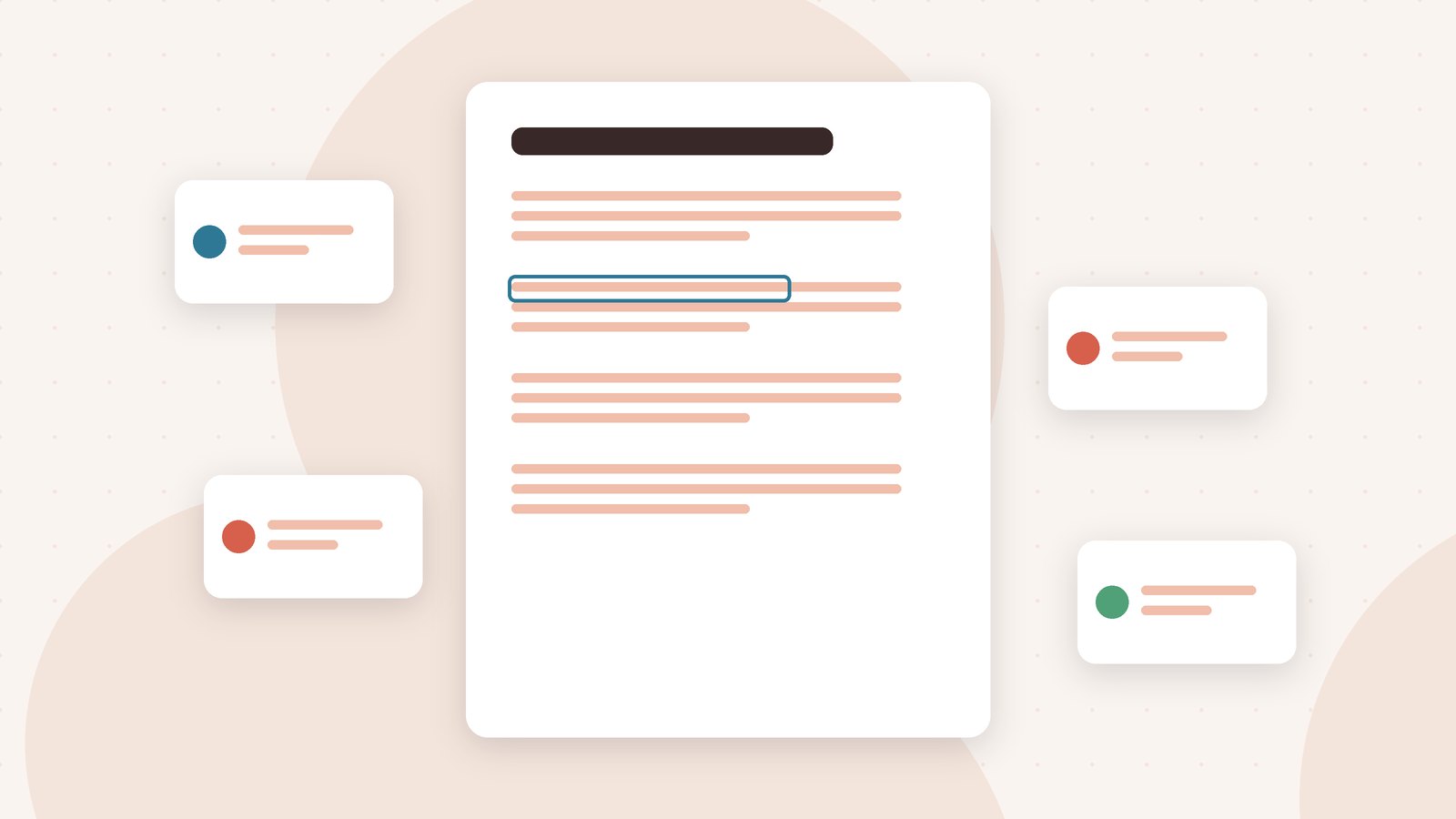
What it looks like: Comments in the document, a request in a chat thread, a note from a meeting and a reply in email. Sometimes there are two copies of the draft with different edits.
Why it slows you down: The writer has to collect, reconcile and interpret feedback before they can revise. Contradictions only show up after a revision, which triggers another round. Version confusion can mean good edits are lost entirely.
The fix: Feedback on a draft lives on the draft, and there is only ever one current version. When feedback arrives elsewhere, ask for it to be added as a comment. It takes a few weeks to become a habit and saves time on every piece after that.
4. Running Every Piece Through the Same Process
What it looks like: A two-line update to an old post goes through the same editor, SEO review, legal check and final approval as a new product launch page.
Why it slows you down: Reviewers' time is spent on low-risk content, and the queue in front of them grows. High-stakes pieces end up waiting behind trivial ones.
The fix: Create two or three review tiers, chosen in the brief. Light pieces get a writer and an editor. Standard pieces add SEO and approval. Only high-stakes or regulated pieces get the full set of reviews.
5. Approval by Committee
What it looks like: Five people need to approve a blog post, and any one of them can send it back. Nobody has the final say.
Why it slows you down: Each extra approver adds waiting time and another set of opinions. When approvers disagree, the writer is stuck in the middle with no way to resolve it.
The fix: Separate reviewers from the approver. Reviewers check their specific area (accuracy, legal risk, brand). One named approver makes the final call and resolves conflicts. The content approval workflow guide covers how to set this up without losing necessary checks.
6. Reviews in a Line That Could Run in Parallel
What it looks like: The SEO specialist waits for the editor, legal waits for SEO, and the product manager waits for legal.
Why it slows you down: Sequential reviews add up. Four reviewers taking a few days each, one after another, turns a short review into weeks.
The fix: Once the editorial review has settled the structure, send the draft to all specialist reviewers at the same time with a shared deadline. Then consolidate feedback in one revision round.
7. Bringing Stakeholders in Too Late
What it looks like: The article is edited, optimised and ready to publish. Then a senior stakeholder sees it for the first time and asks for a different angle.
Why it slows you down: Late input is the most expensive kind. A change that would have taken five minutes at the brief stage now means rewriting a finished piece and redoing every review.
The fix: Identify every stakeholder who could change the direction of a piece when the brief is written, and ask them to approve the brief, not the draft. Their later review should then be limited to checking that the agreed direction was followed.
8. Confusing the Calendar With the Workflow
What it looks like: The team has a detailed publishing calendar and assumes that means the process is under control. Everything looks fine until a piece misses its date.
Why it slows you down: A calendar shows when something is meant to publish, not where it is right now or what it is waiting on. Problems stay invisible until they are already late. The difference is explained well in this comparison of an editorial calendar vs a content calendar.
The fix: Track status and owner for every piece alongside its publish date. At any moment, anyone on the team should be able to see which stage each article is in and who holds it.
9. Too Much Work in Progress
What it looks like: The team has twenty pieces started and only a handful near completion. Editors jump between drafts at different stages every day.
Why it slows you down: Every open piece takes a share of attention. Context switching makes each review slower, and finished work arrives in unpredictable bursts instead of a steady flow.
The fix: Set a limit on how many pieces can be in each stage, especially review. When a stage is full, the team helps clear it before starting anything new. If the same stage keeps filling up, that is a bottleneck worth addressing directly, and the guide on how to reduce publishing bottlenecks walks through the common causes and fixes.

10. No Loop After Publishing
What it looks like: Articles are published and the team moves straight on to the next one. Nobody checks how pieces perform, and older articles are never updated.
Why it slows you down: Without feedback, the team cannot tell which topics, formats or processes work, so the same mistakes repeat. Old content quietly loses relevance while the team keeps producing new pieces to replace traffic it is losing.
The fix: Add a measurement and refresh stage. A few weeks after publishing, review how each piece is doing, record what you learned, and schedule underperforming or outdated pieces for an update. Once a month, also review the workflow itself: where did pieces wait longest, and what is one thing to change?
How These Mistakes Compound
These ten problems rarely appear alone. A weak brief leads to more revision rounds. More revision rounds mean more scattered feedback. Scattered feedback slows reviews, and slow reviews push teams to start more drafts so the calendar does not look empty, which increases work in progress and slows everything again.
That is why fixing one mistake often improves several others. If your team feels stuck in this cycle, the article on why editorial workflows break for teams looks at the underlying system rather than individual symptoms.
Where to Start
Do not try to fix all ten at once. Look at your last five or ten delayed articles and ask where each one got stuck. Then choose the mistake that explains the most delays:
- If drafts keep being rewritten, start with the brief (mistake 1) or late stakeholders (mistake 7).
- If pieces sit with nobody acting, start with ownership (mistake 2) or the calendar gap (mistake 8).
- If reviews take weeks, start with committees, sequencing or tiers (mistakes 4, 5 and 6).
- If everything feels busy but little ships, start with work in progress (mistake 9).
Fix one, measure for a month, then choose the next.
The Role of Tools
Many of these mistakes are easier to make when a workflow is spread across documents, spreadsheets, chat and email, because no single place shows status, ownership and feedback together. If your current setup is the problem, the guide to choosing editorial workflow tools includes signs you have outgrown it.
Narranta brings stages, owners, comments and approvals into one editorial workspace, so mistakes like scattered feedback, unclear ownership and invisible status are much harder to make in the first place.
Frequently Asked Questions
What are the most common editorial workflow mistakes?
The most common are starting drafts without a clear brief, unclear ownership, feedback spread across several tools, running every piece through the same heavy process, approval by committee, sequential reviews, late stakeholder input, relying on a calendar instead of tracking status, too much work in progress and no review after publishing.
Why do content reviews take so long?
Usually because pieces wait between reviewers, feedback is scattered, reviewers have no clear scope or finish line, and several reviews run one after another instead of in parallel.
How many people should approve a piece of content?
One person should make the final approval. Others can review specific areas such as legal risk or accuracy, but a single named approver keeps decisions clear and resolves conflicting feedback.
What is the difference between a workflow mistake and a bottleneck?
A mistake is a habit or design choice in the process, such as skipping briefs or using too many approvers. A bottleneck is the place where work piles up as a result. Fixing the mistake is usually how you remove the bottleneck.
How do I know which mistake to fix first?
Trace your most recent delayed pieces and note where each one waited longest. The mistake that explains the most delays is the one to fix first.
Fewer Mistakes, Faster Publishing
Every team makes some of these editorial workflow mistakes, and most teams make several at once. The fixes are not complicated: clear briefs, named owners, feedback in one place, right-sized reviews and a loop after publishing. What makes them work is applying them one at a time and checking the result.
If you want a workspace that makes these habits the default, you can set up your team in Narranta and start with the stages you already use.