
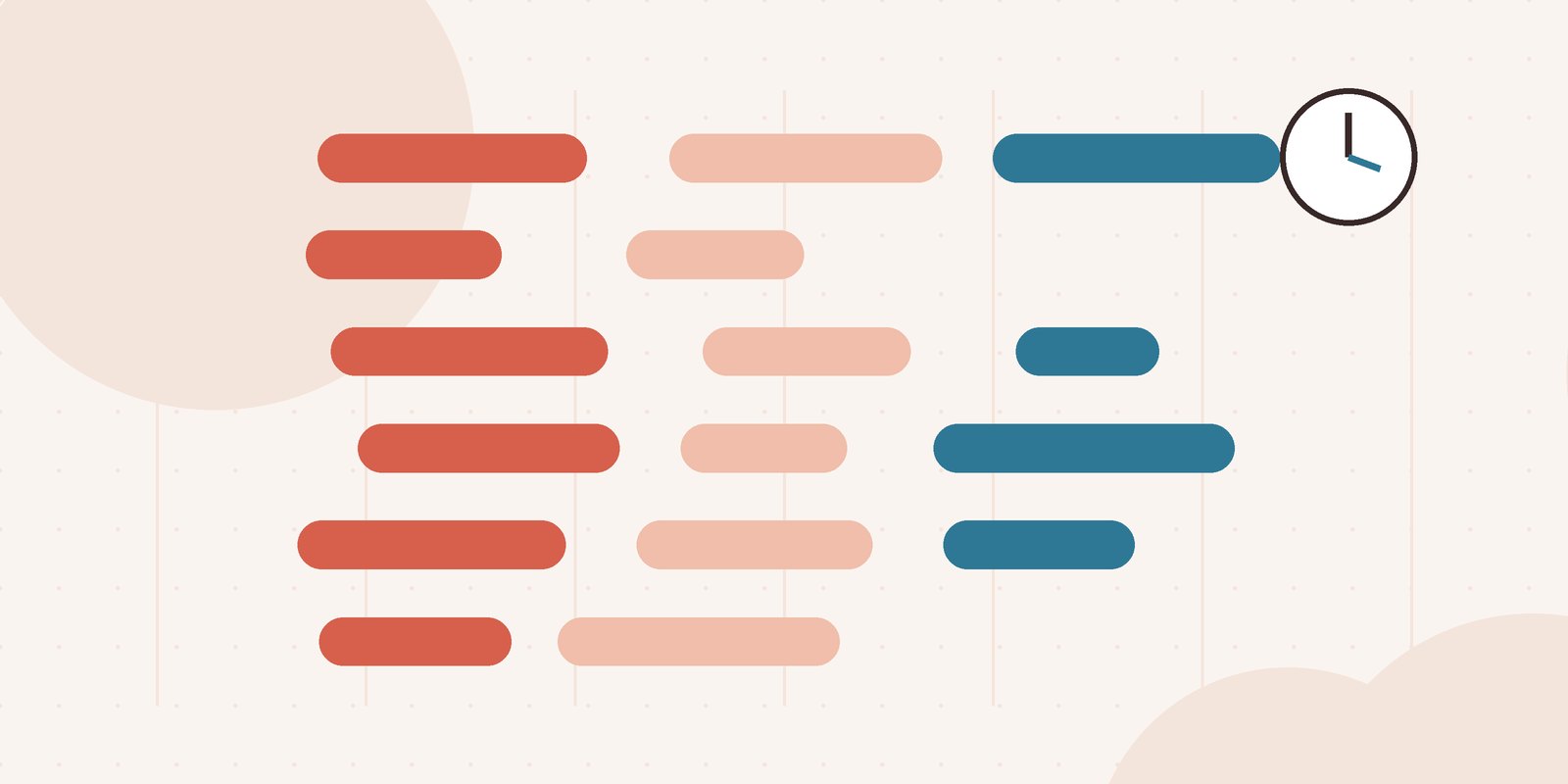
A draft goes into review on Monday with a note that says "no rush, whenever you get a chance". By Thursday it has one comment, from the person who was least important to the sign-off. By the following Tuesday the writer has forgotten half of what they meant in the second section, and the publish date has quietly moved.
"Whenever you get a chance" is the most expensive phrase in content operations. Reviews without a deadline do not get done slowly. They get done last, after everything that does have a deadline. A deadline-based review workflow fixes that by giving every review step its own due date, its own owner and a clear rule for what happens when the date passes.
This guide explains how to set one up, how long each review step should get, and what to do about the reviewer who is always late. It assumes you already have an approval process of some kind. If you do not, start with the guide to content approval workflow best practices.
What Is a Deadline-Based Review Workflow?
A deadline-based review workflow is an approval process in which every review step has a fixed due date and a named reviewer, worked backwards from the publish date, with a defined fallback if a reviewer misses their window.
The important words are "every step" and "worked backwards". Most teams have a publish date and a draft due date. The review stages in between are left as a fuzzy gap, which means the gap absorbs every delay. The writer finishes late, the editor reviews late, legal reviews very late, and the publish date takes the hit. When each review has its own date, a slip shows up at the step where it happened, while there is still time to do something about it.
Why Open-Ended Reviews Stall
It helps to be specific about where the time goes, because it is rarely where people think.
Take a mid-sized B2B team: one writer, one editor, a product marketer who checks claims, and a legal reviewer for anything mentioning pricing or security. The actual review work on a 2,000 word article might be two hours in total. Ninety minutes of editing, twenty minutes from product, ten from legal. Yet the article spends eight working days in review.
Where did six and a half days go? Mostly into waiting. The draft waited two days for the editor because the editor's week was already full. Then it waited three days for product because nobody told the product marketer it was coming. Then it waited a day and a half for legal, who saw it on Friday afternoon and reasonably decided it could wait until Monday.
None of those people were slow at reviewing. They were slow to start, because nothing told them when to start. This is the same pattern covered in the guide to publishing bottlenecks for large content teams: waiting time is almost always larger than working time.
How to Build a Deadline-Based Review Workflow
Here is the process step by step. It works for teams of three and teams of thirty, though the number of review steps changes.
- Start from the publish date and work backwards. Write down the publish date first, then the final approval date, then each review step before it, then the draft due date. If the dates do not fit, you find out now rather than in week two.
- Give each review step one named reviewer. "Legal" is not a reviewer. "Priya in legal" is. If two people can review, name the primary and the backup.
- Set a review window, not just a due date. Tell reviewers when the draft will arrive and when their comments are due. "Arrives Tuesday morning, comments by Wednesday end of day" is far easier to plan around than "due Wednesday".
- Define what "done" means for each step. The editor approves structure and argument. Product confirms claims. Legal checks risk. A reviewer who knows their scope finishes faster and leaves fewer stray comments.
- Agree the fallback before you need it. Decide what happens if a review window passes without comments. More on this below.
- Make the dates visible to everyone involved. A deadline that lives in the content lead's head is not a deadline.
A sample review schedule
For a standard blog article with a Thursday publish date, a realistic schedule looks like this:
Step | Owner | Window | Due |
|---|---|---|---|
Draft submitted | Writer | Thursday, week 1 | |
Editorial review | Editor | 2 working days | Monday, week 2 |
Writer revisions | Writer | 1 working day | Tuesday, week 2 |
Claims and product check | Product marketer | 1 working day | Wednesday, week 2 |
Legal review (if needed) | Legal | 2 working days | Monday, week 3 |
Final approval | Content lead | Half a day | Tuesday, week 3 |
Publish | Content lead | Thursday, week 3 |
Note the slack before publish. Two days of buffer at the end costs very little and absorbs the one review that inevitably runs late. Teams that schedule final approval for the morning of publication are not being efficient. They are hoping.
How Long Should Each Review Step Take?
There is no universal number, but there are useful defaults. For most teams:
- Editorial review: one to two working days for a standard article, three for a long guide.
- Subject matter or product review: one working day, with a clear scope.
- Legal or compliance review: two working days, booked in advance.
- Final approval: half a day.
The mistake I see most often is giving the editor the same window as everyone else. The editor's review is the heaviest one, and it is often where the writer is waiting most anxiously. Give it the longest window, and protect the editor's calendar for it.
The opposite mistake is giving specialist reviewers too long. A product marketer with five days to check three claims will check them on day five. A one-day window, with the draft arriving at a time they already know about, gets the same quality of review four days sooner.
What to Do When a Reviewer Misses the Deadline
This is the part most teams skip, and it is the part that makes deadlines real. A deadline without a consequence is a suggestion.
The consequence does not need to be dramatic. There are three fallbacks that work, and you should pick one per review step in advance:
- Silence means approval. If a reviewer has not commented by the end of their window, the article moves on. This works well for optional or advisory reviews, such as a second editor or a stakeholder who wants visibility.
- Escalate to the backup. The named backup reviewer gets the draft automatically. This suits reviews that cannot be skipped but do not need one specific person.
- Escalate to the content lead. For mandatory reviews like legal, the content lead gets a flag and decides whether to move the date or chase. This should be rare. If it happens weekly, the window is wrong.
Agreeing these in advance is what keeps them from feeling personal. Nobody likes being told on Thursday that their review was skipped. Everyone accepts a rule they agreed to in a planning meeting a month ago.
The Deadline Nobody Sets: When the Writer Gets the Feedback Back
Here is the part most review guides leave out. They put deadlines on reviewers, which is right, and then say nothing about the moment feedback returns to the writer.
From the writer's side, the hardest part of review is not the comments. It is the timing. Feedback that arrives in three separate batches, from three reviewers, over four days, means the writer revises the same section three times and sometimes reverses their own changes. A writer who has moved on to the next article also loses context fast. Feedback on a draft they finished a week ago takes twice as long to act on as feedback the next day.
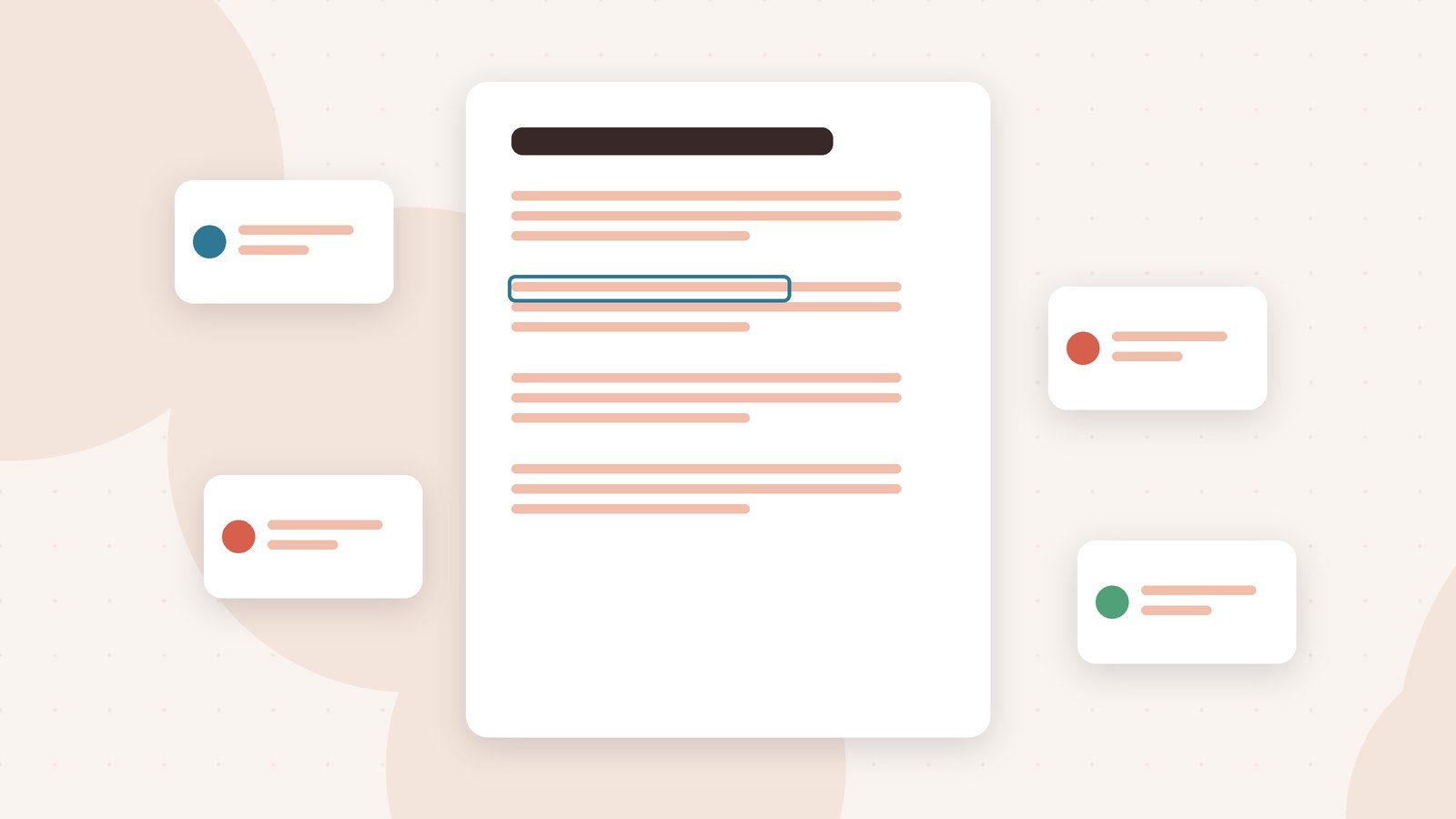
So set one more date: the day the writer receives all feedback for a round, consolidated. Reviewers within a round can comment in parallel, but the writer gets one combined set, on one known day, with conflicts already resolved by the editor. If product says "cut this paragraph" and legal says "expand this paragraph", that argument should happen before the writer sees it, not in the writer's comment thread.
This single change usually removes a full revision round. It also makes review feel much less like being pecked at, which matters more than managers tend to think. A writer who expects one clear set of notes on Tuesday plans their week around it. A writer who gets notes whenever reviewers happen to look learns to dread opening their documents.
Common Mistakes With Review Deadlines
Setting deadlines only on the writer. If the draft has a due date and nothing else does, every delay after submission is invisible. The writer gets blamed for a late article that sat in review for a week.
Adding reviewers without adding time. Each new reviewer needs a window. Bolting a fourth reviewer onto a three-reviewer schedule without moving the publish date just compresses everyone else.
Running every review in sequence. Some reviews depend on each other; many do not. Product and SEO checks can often run in parallel with each other once the editor has signed off on structure. Running them one after another adds days for no reason.
Using deadlines as a stick. The point of the dates is to make work visible, not to rank reviewers. If a review step misses its window every week, fix the window or the workload. Shaming the reviewer does not create more hours in their week.
Treating every article the same. A short news post does not need a two-day legal window. Have a light schedule and a full schedule, and decide which one applies when the brief is approved. The editorial workflow template guide covers how to keep a few templates for different content types.
How Narranta Handles Review Deadlines
Everything above depends on one thing: every person involved can see where the article is and when their part is due, without asking. That is hard to keep true in a mix of shared documents, calendar invites and chat messages, because the deadline lives in one place and the draft lives in another.
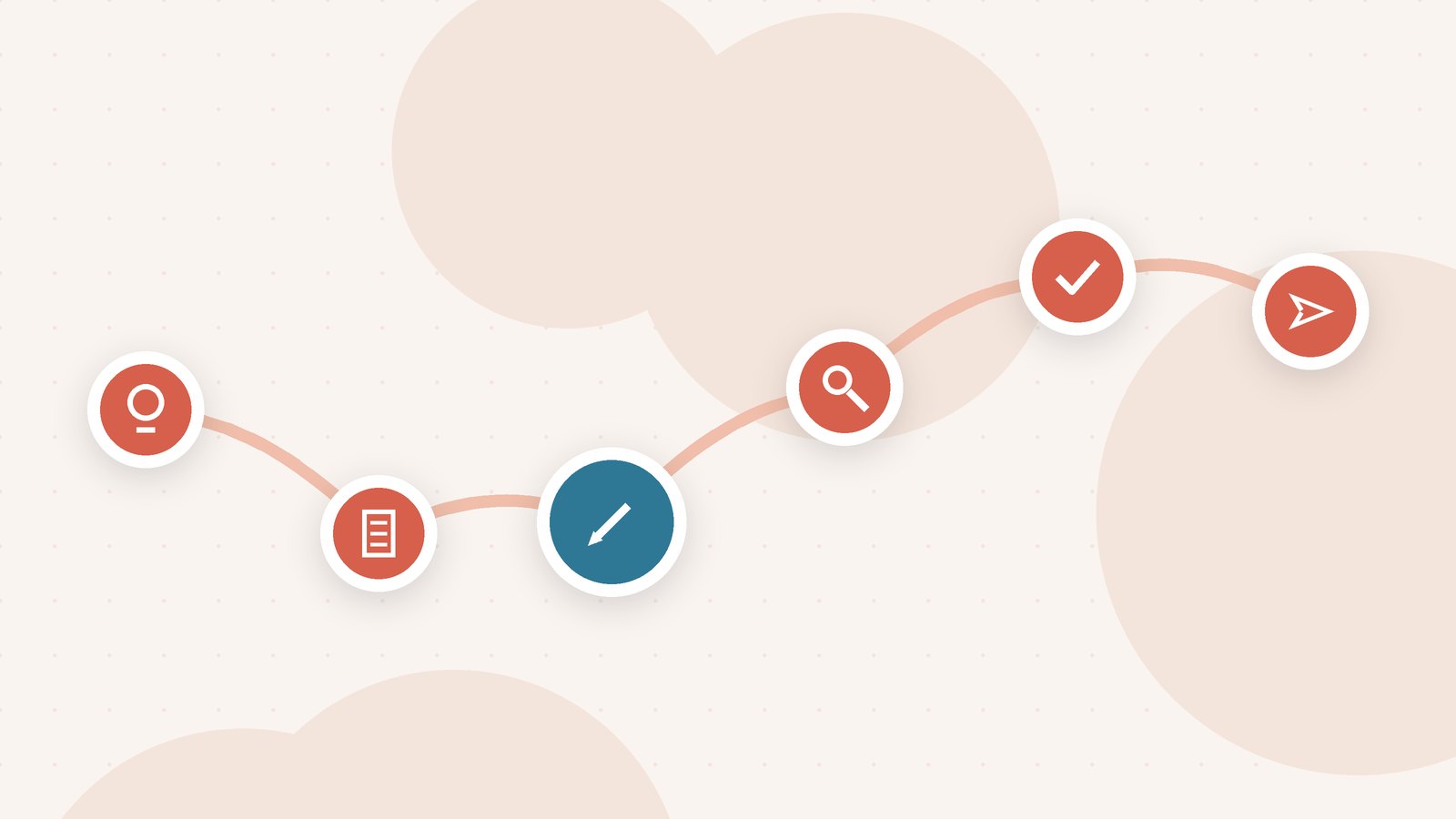
In Narranta, an article moves from idea, to draft, to review, to approval, and each stage has an owner and a due date attached to the article itself. When a draft enters review, the reviewer sees it in their queue with the date it is due, and the content lead can see at a glance which reviews are on time and which are waiting. Comments from a review round sit on the article, so the editor can resolve conflicts before handing the full set back to the writer.
That is the core of what good editorial workflow software should do for review: make the dates and the owners visible in the same place as the work. If you want to try a deadline-based schedule on your next few articles, you can set up a Narranta workspace and build the review stages in an afternoon.
Frequently Asked Questions
What is a reasonable deadline for content review?
For a standard blog article, one to two working days for editorial review and one working day for each specialist review is realistic. Legal or compliance review usually needs two days and should be booked in advance.
Should content reviews happen in parallel or in sequence?
Editorial review should usually come first, because structural changes make other comments obsolete. After that, specialist reviews such as product and SEO can often run in parallel to save time.
What happens if a reviewer misses their deadline?
Agree the fallback in advance: silence counts as approval, the draft passes to a backup reviewer, or the content lead decides. Which one fits depends on whether the review is optional or mandatory.
Is a deadline-based review workflow the same as a content approval workflow?
It is a type of content approval workflow. The difference is that every review step has its own due date and fallback, rather than one overall deadline for the whole approval.
How do you stop review deadlines from slipping every week?
Check whether the windows are realistic for the reviewer's actual workload, and give each reviewer advance notice of when drafts will arrive. Most chronic slips come from surprise rather than from slow reviewers.
Deadlines Are a Kindness, Not a Constraint
It is tempting to think of review deadlines as pressure. In practice they work the other way. A reviewer who knows exactly when a draft is coming and what they are checking can plan their week. A writer who knows when feedback will arrive can stop refreshing the document. The open-ended "whenever you get a chance" review feels friendlier, but it is the version that leaves everyone guessing, and guessing is where the days go.